In the relentless heartbeat of industry, reliability isn’t just a feature it’s the fundamental requirement. A single moment of equipment downtime can cascade into massive financial losses, safety hazards, and operational chaos. In this high-stakes environment, every component is a potential point of failure. This is why a paradigm shift is underway, with forward-thinking engineers and manufacturers increasingly adopting a fanless, naturally cooled approach for mission-critical power systems like Industrial Battery Chargers and Uninterruptible Power Supplies (UPS).
Beyond the Fan: The Principles of Natural Cooling
Natural cooling, also known as passive or convection cooling, is an elegant thermal management solution that harnesses the fundamental laws of physics. Instead of relying on energy-consuming internal fans to force air movement, these systems are intelligently designed to encourage the natural flow of air around the device.
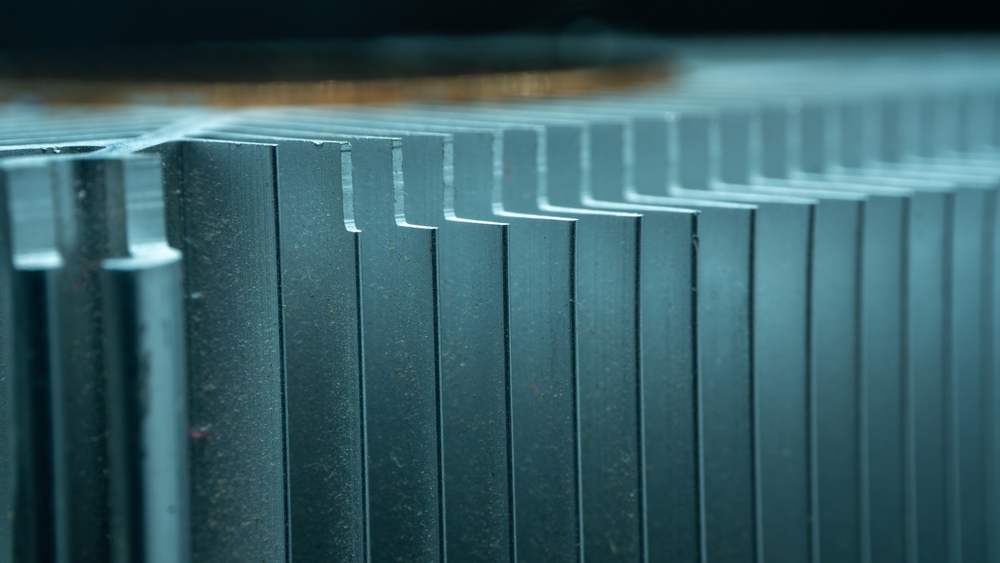
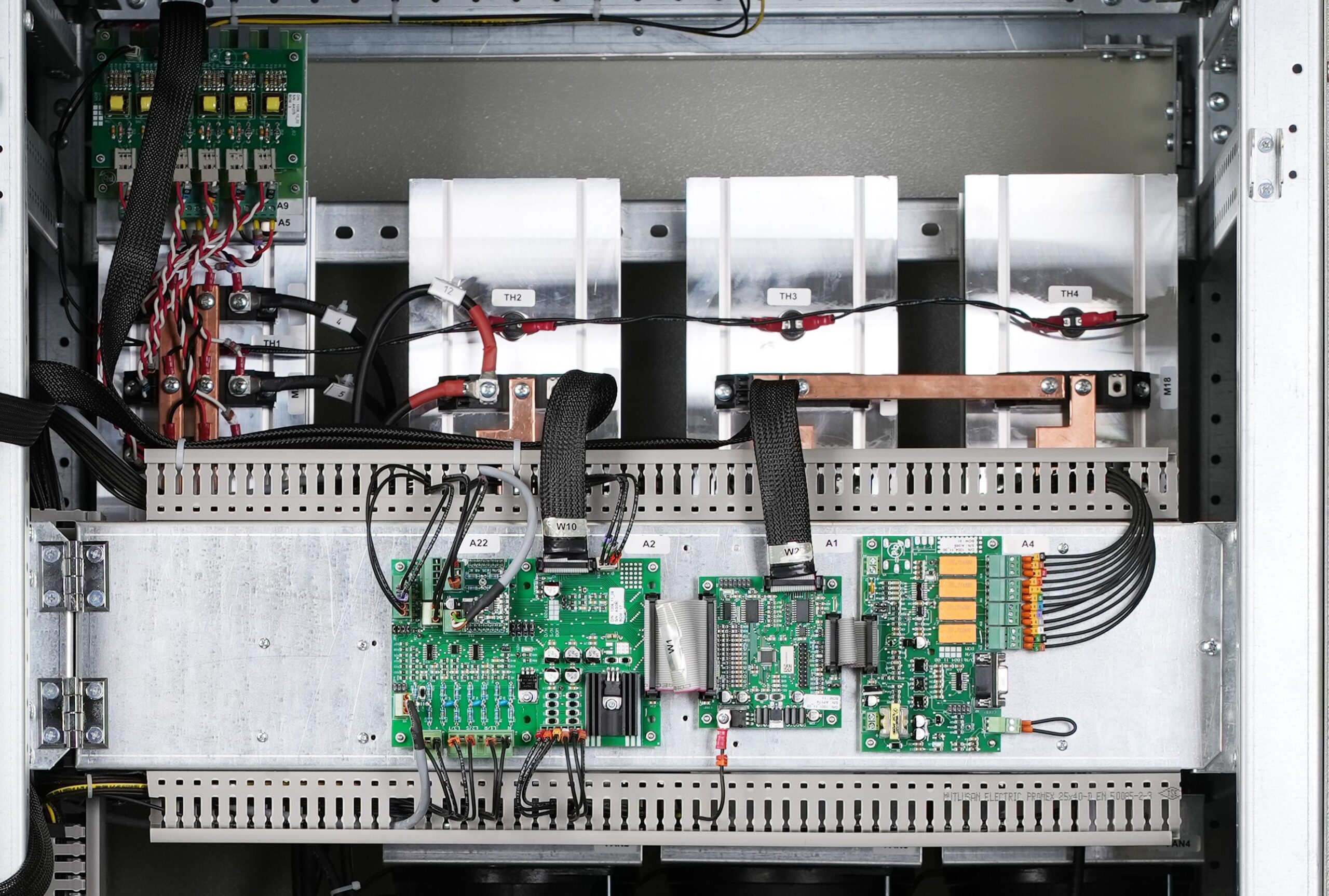
Heat generated by internal components is transferred to strategically designed, high-surface-area heat sinks. As the air around these heat sinks warms, it naturally rises, drawing in cooler air from below to replace it. This creates a self-sustaining, silent airflow cycle that continuously dissipates heat without a single moving part. This is achieved through optimized internal layout, advanced thermal interface materials, and enclosures engineered to act as external heat sinks themselves.
Why Eliminate the Fan? The Compelling Case for a Fanless Design
The internal fan is often the weakest link in the reliability chain of power electronics. Its removal directly addresses the most common causes of field failures, delivering profound benefits:
- Dramatically Increased Reliability & Uptime: Moving parts are synonymous with wear and eventual failure. By eliminating fans the Mean Time Between Failures (MTBF) of the entire system skyrockets. This translates to fewer unscheduled shutdowns and predictable, uninterrupted operation.
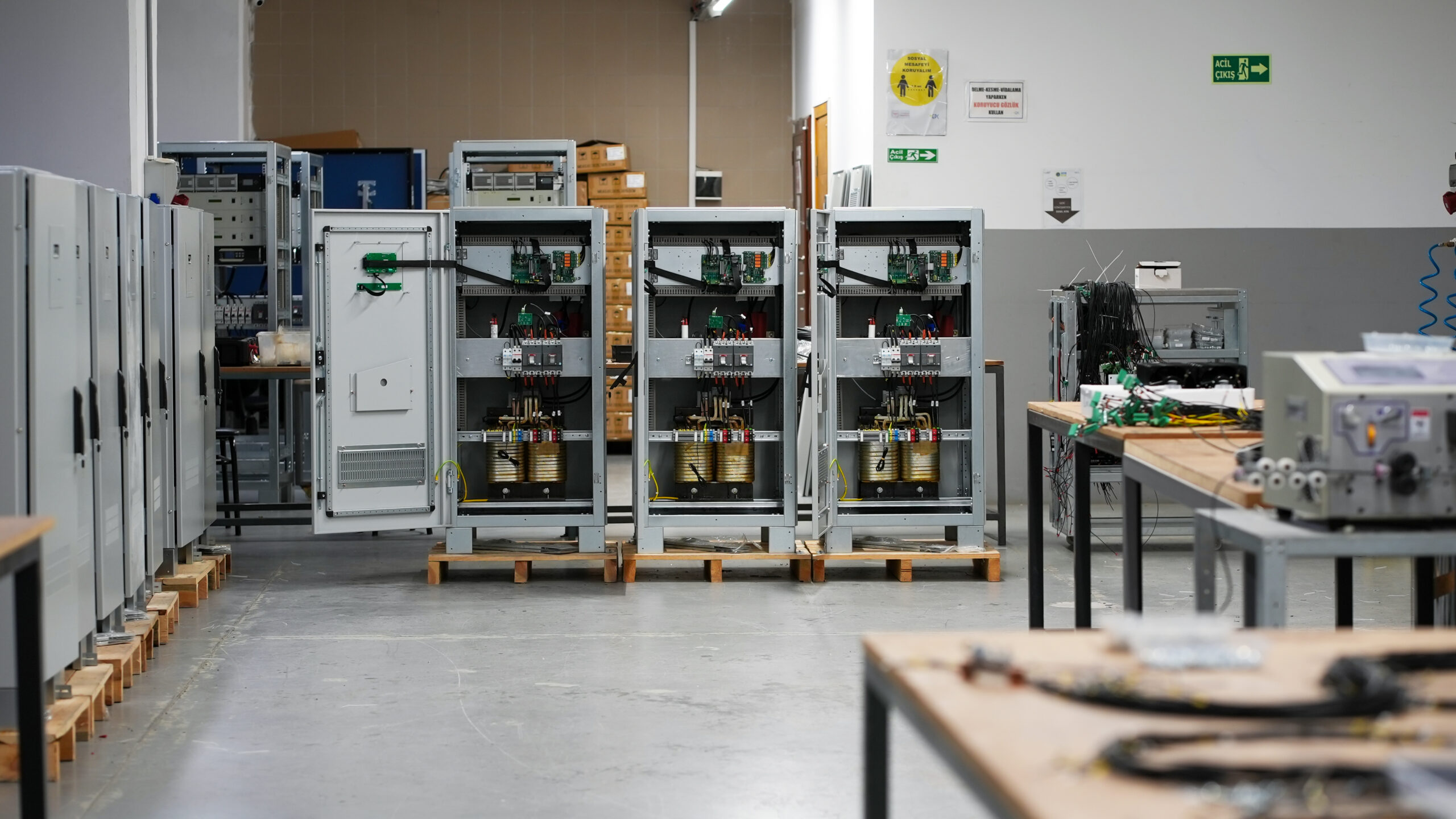
- Extended Operational Lifespan: Fans do more than just fail; they actively harm their surroundings. They draw in abrasive dust, humidity, and corrosive particulates, coating sensitive internal components like circuit boards and semiconductors. They also generate harmful vibrations. A fanless design hermetically seals the unit, protecting the internal electronics from these contaminants and mechanical stresses, thereby preserving their performance and longevity for decades.
- Inherently Silent Operation: The absence of fan whir and hum creates a profoundly quiet operational profile. This is not merely a comfort feature; it is essential for noise-sensitive environments like laboratories, healthcare facilities, broadcast studios, and control rooms adjacent to factory floors.
- Enhanced Immunity to Contaminants: Without fans acting as air pumps, the system is no longer sucking in environmental pollutants. This allows for the use of sealed, high IP-rated enclosures (e.g., IP54, IP65) that effectively block dust and moisture, making the units inherently more robust against harsh conditions.
- Superior Energy Efficiency: Fans consume power sometimes a significant amount in larger systems. Removing them reduces the unit’s own parasitic load, lowering operational costs and contributing to a greener footprint. This efficiency gain also means less waste heat is generated internally, simplifying the cooling challenge.
- Reduced Total Cost of Ownership: While the initial investment might be marginally higher, the long-term savings are substantial. Eliminating fan-related maintenance, replacements, and the downtime associated with them drastically reduces the total cost of ownership over the system’s extended lifespan.
Critical Applications Where Fanless Design is Non-Negotiable
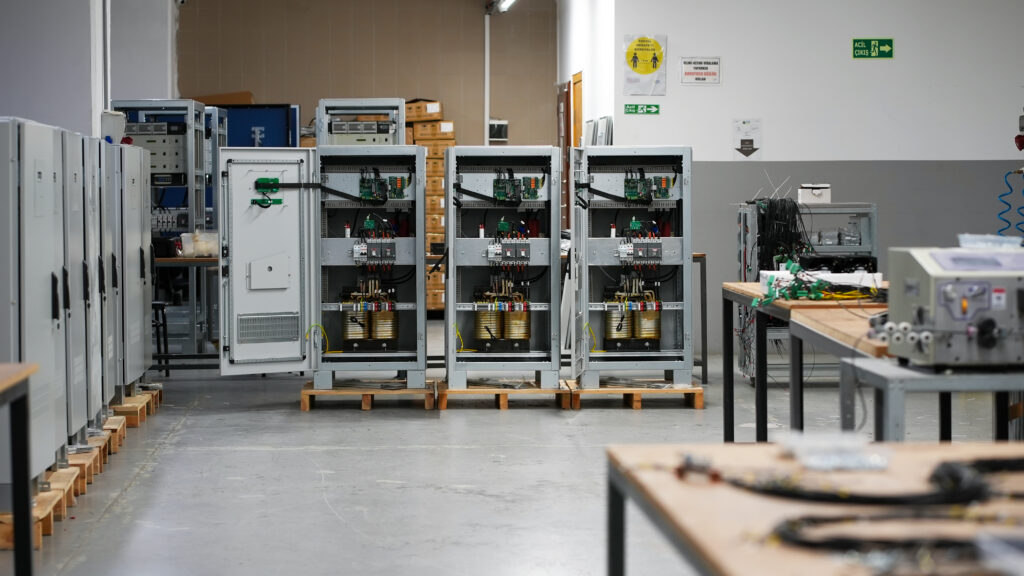
The advantages of natural cooling become mission-critical in industries where failure is not an option and environments are unforgiving:
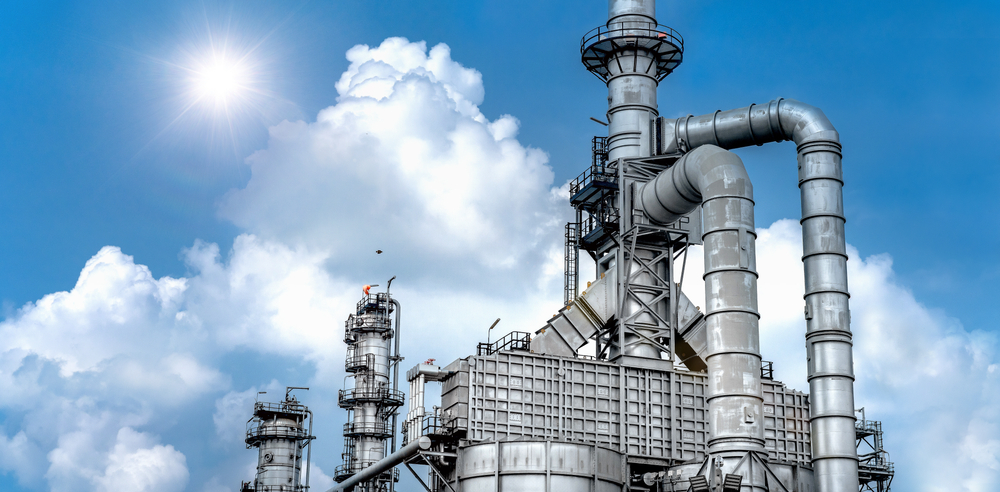
- Oil, Gas, and Chemical Processing: Hazardous locations with explosive atmospheres where a fan spark could be catastrophic. Sealed, fanless units are often a requirement for safety certifications (ATEX, IECEx).
- Mining and Mineral Processing: Extremely dusty, dirty, and humid environments that rapidly clog and destroy cooling fans and foul internal components.
- Remote and Unmanned Infrastructure: Applications like telecommunications shelters, remote monitoring stations, and offshore platforms where maintenance is difficult, expensive, or impossible. Reliability must be designed-in from the start.
- Transportation and Railways: Systems are subjected to constant vibration, wide temperature swings, and metal dust from braking systems, all of which are lethal to fan bearings and motors.
- Food & Beverage and Pharmaceutical Manufacturing: Environments requiring strict hygiene standards where fans could circulate contaminants or where equipment must withstand high-pressure washdowns.
Engineering Excellence: The Design Features that Make it Possible
Designing a high-power, fanless system is an engineering achievement. It requires a holistic approach to thermal management:
- Premium, High-Efficiency Components: The first step is to minimize heat generation at the source. This involves using top-tier MOSFETs, transformers, and rectifiers with lower switching and conduction losses.
- Advanced Thermal Modeling & Heat Sink Design: Sophisticated software is used to simulate airflow and heat dissipation. This leads to the design of complex, extruded aluminum heat sinks with optimized fin geometry and surface area to maximize passive cooling.
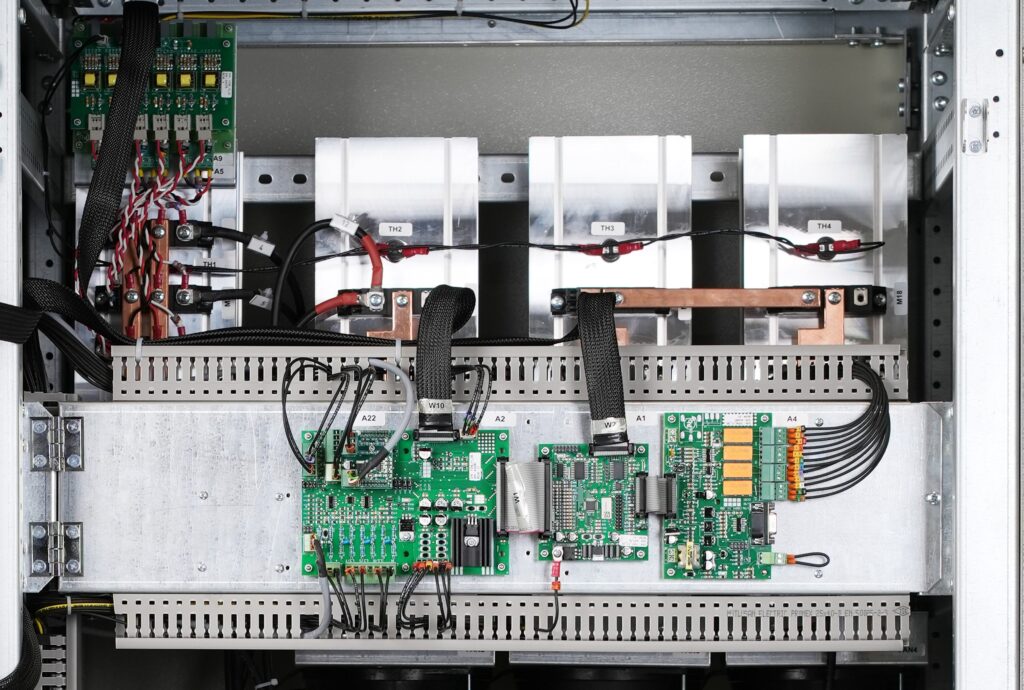
- Strategic Component Layout and Convection Channels: Internal components are arranged to create natural vertical chimney effects, guiding heated air on a predetermined path upward and out of the enclosure while pulling cool air in from below.
- Ruggedized and Sealed Enclosures: The chassis itself is engineered from materials with high thermal conductivity and is often part of the thermal solution. Robust ingress protection (IP) ratings ensure the internal electronics are completely isolated from the external environment.
The Bottom Line: An Investment in Uninterrupted Performance
Choosing a naturally cooled, fanless industrial battery charger or UPS is far more than a technical specification; it is a strategic business decision. It is an investment in maximizing uptime, minimizing lifetime costs, and building a more resilient operation.
For mission-critical applications operating in the world’s most demanding environments, fanless power solutions provide the ultimate peace of mind: the silent, unwavering confidence that your power protection will perform when it matters most, without fail.

 Reach us on WhatsApp